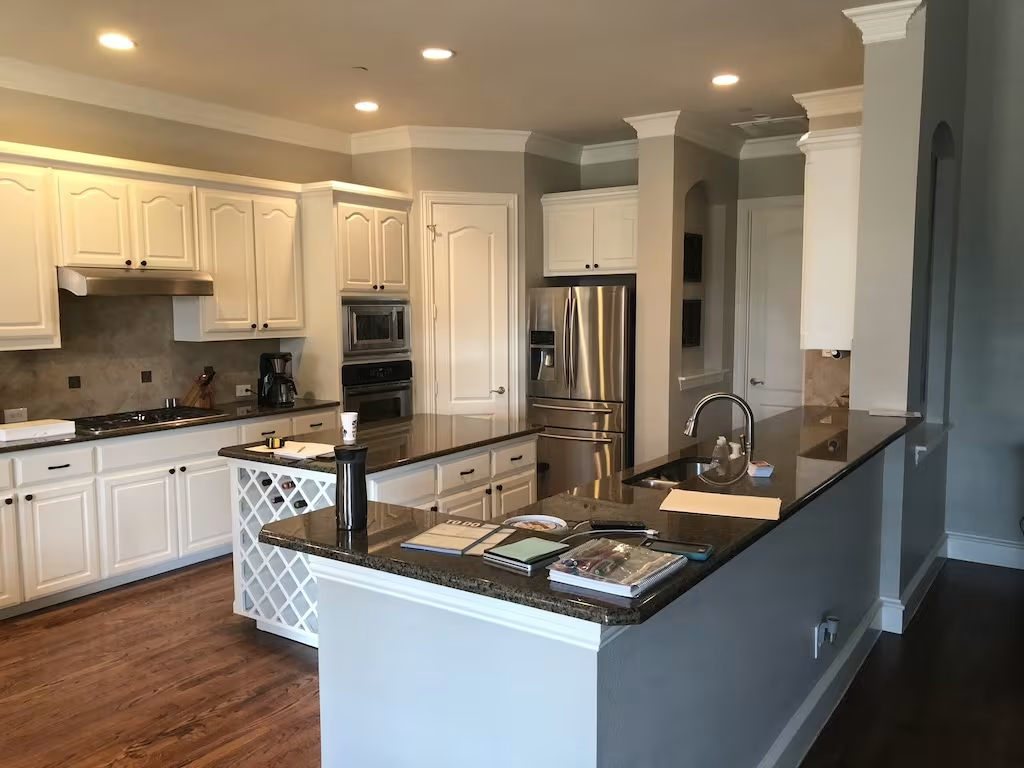
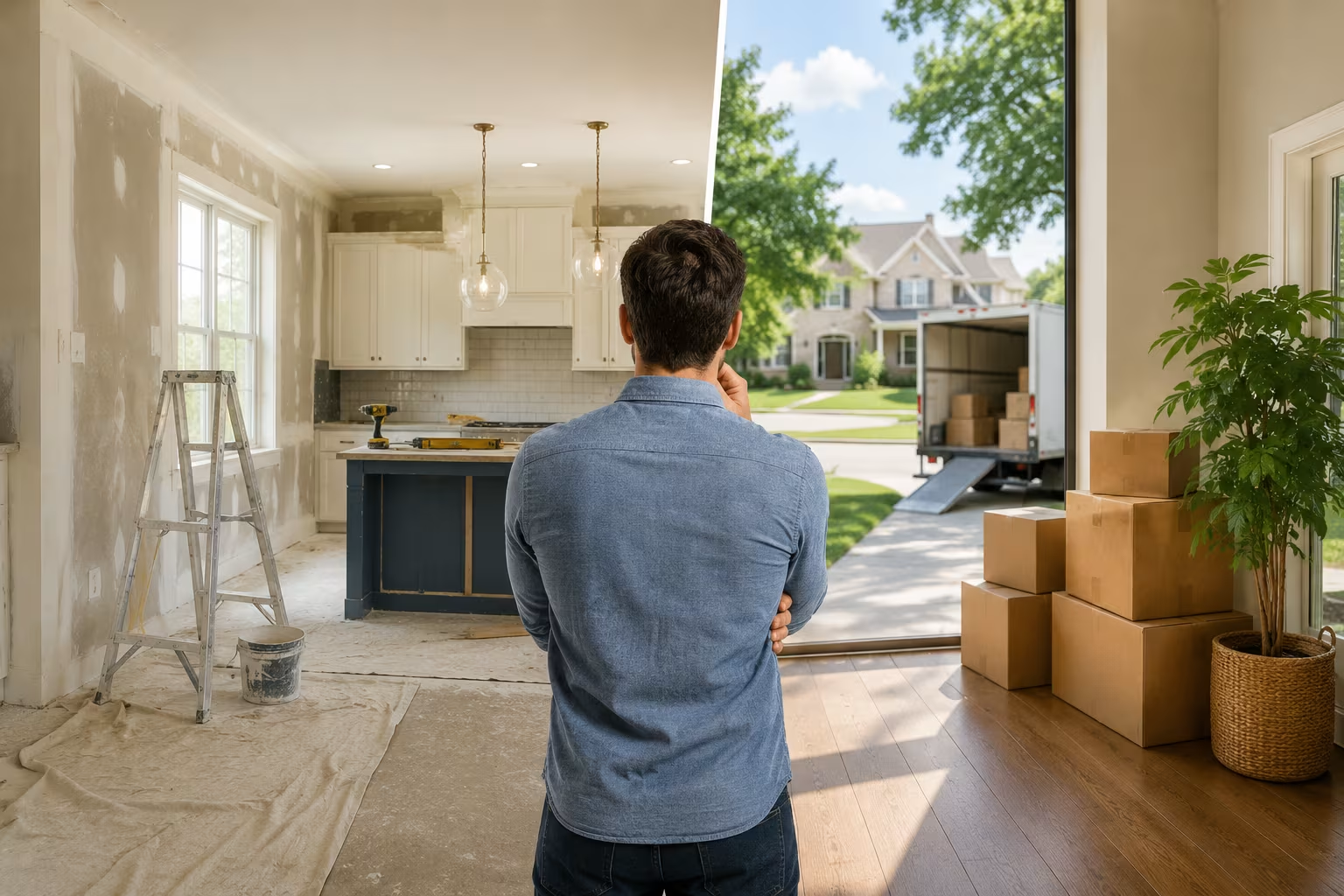
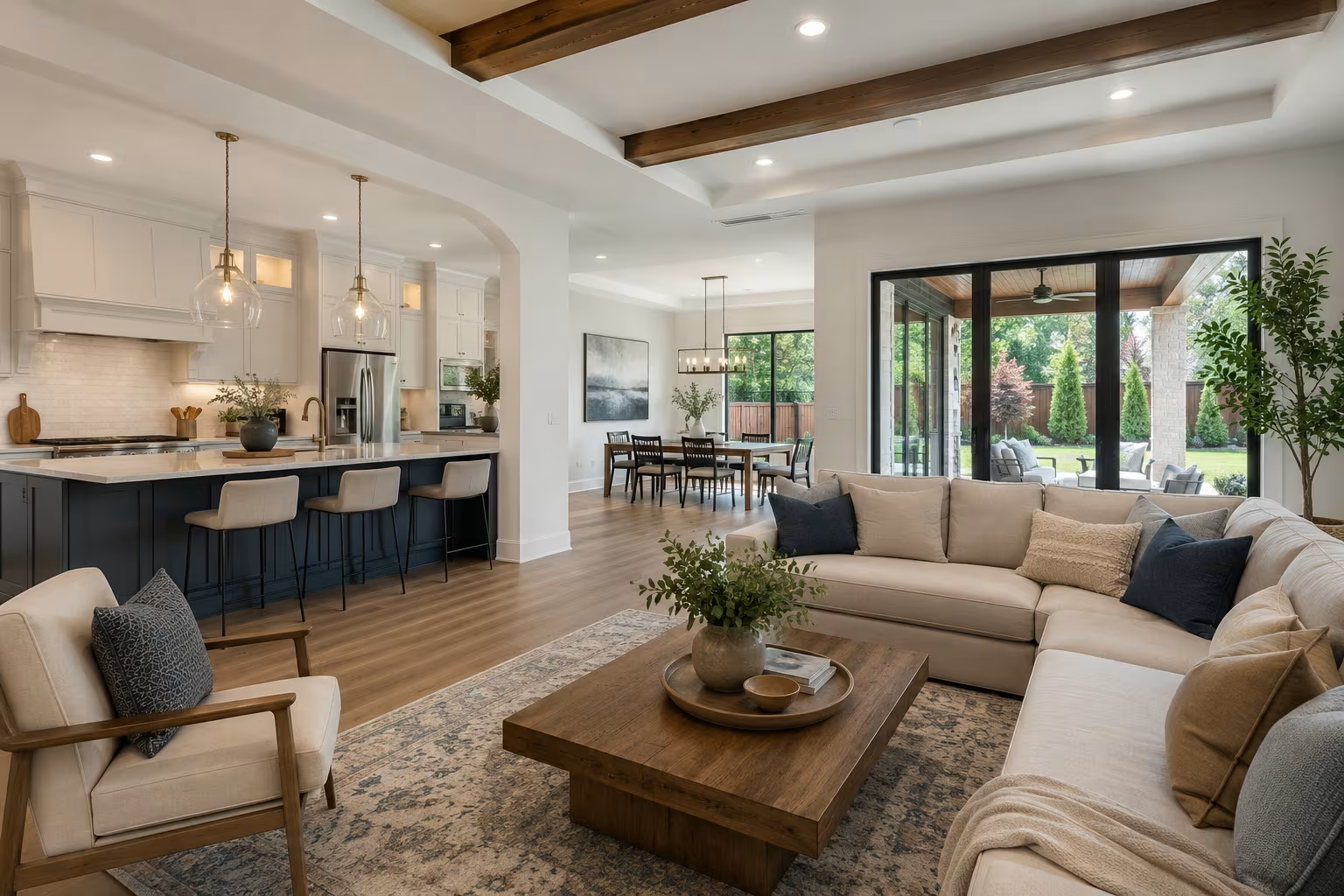
Yes, many whole-home renovations cost less than building a new house because demolition, foundation work, and complete infrastructure installation may not be required.
Choosing between renovating an existing home and building a new one is a major decision for homeowners in Richardson in 2026. Both options offer distinct advantages depending on your property's condition, budget, lifestyle needs, and long-term goals. Richardson's housing market includes a mix of established homes with renovation potential and newer properties designed around modern living standards. While renovation can preserve existing value and character, new construction provides greater design flexibility and energy efficiency. Understanding the costs, benefits, and limitations of each approach can help you make a more informed investment decision.
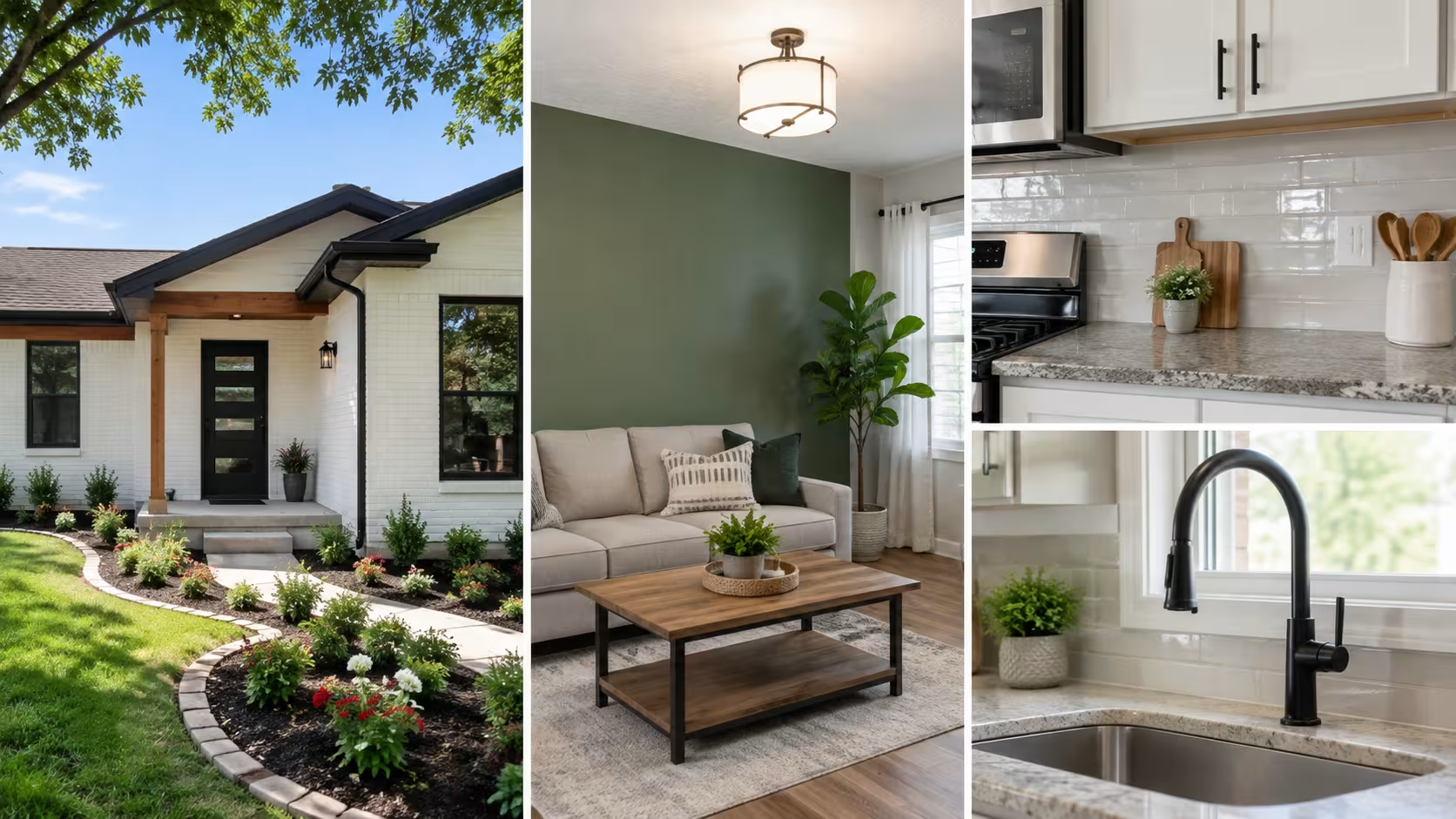
Home renovation involves improving, updating, or reconfiguring an existing property while keeping most or all of the original structure.
Common renovation projects in Richardson include:
Renovation allows homeowners to improve comfort, functionality, and visual appeal while remaining in a neighborhood they already enjoy.
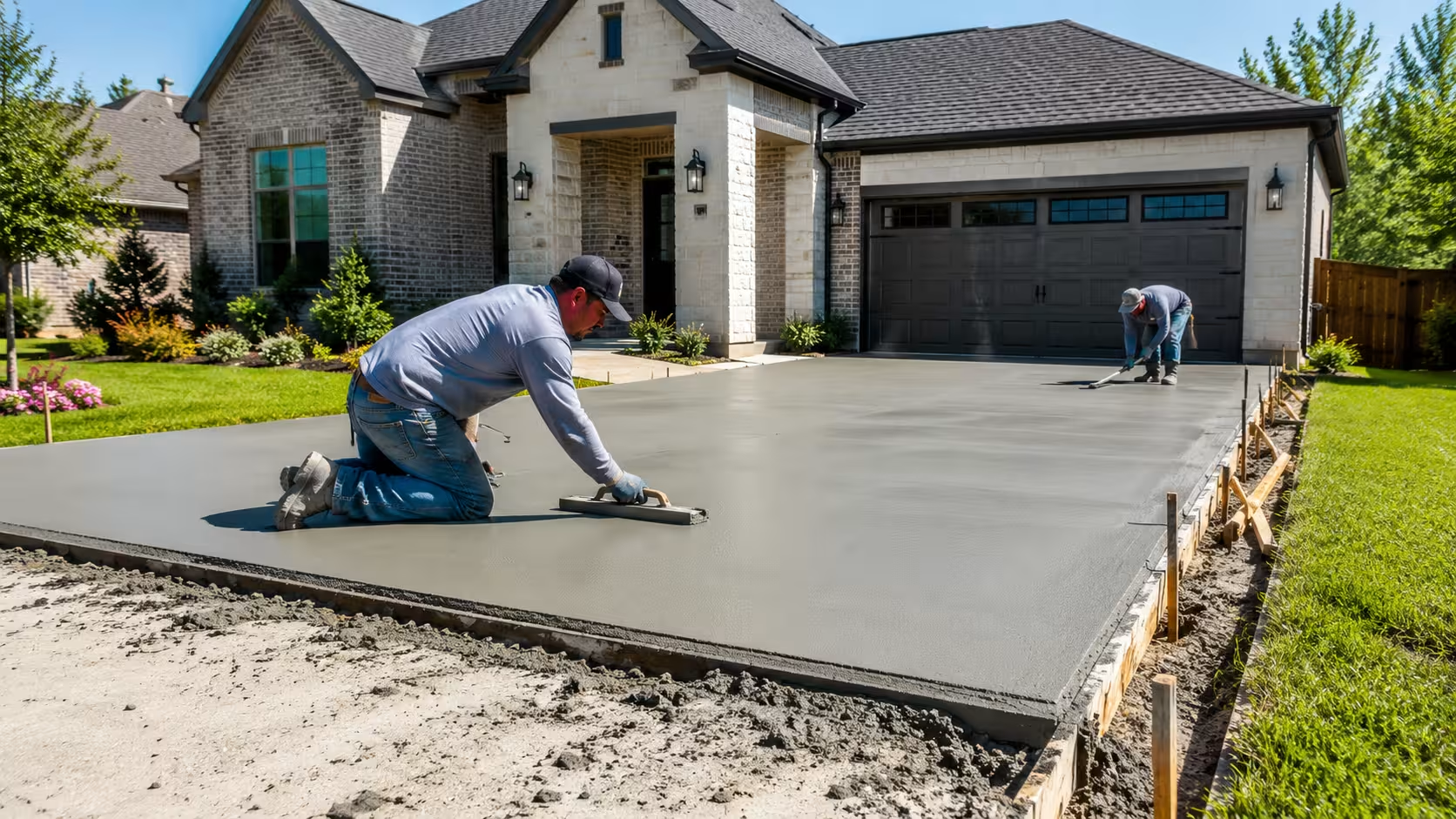
New construction involves building a completely new home from the ground up.
This may occur on:
New homes offer modern layouts, current building standards, updated mechanical systems, and contemporary design features that many buyers seek.
However, building from scratch requires significantly more planning, approvals, and coordination than many homeowners initially expect.
The choice between renovation and new construction involves several important considerations. This quick comparison highlights the key differences homeowners should evaluate before starting a project.Â
|
Factor |
Renovation |
New Construction |
|
Existing Structure |
Preserved and improved |
Built entirely from scratch |
|
Initial Cost |
Usually lower |
Usually higher |
|
Timeline |
Often shorter |
Usually longer |
|
Design Flexibility |
Moderate to high |
Maximum flexibility |
|
Neighborhood Character |
Maintained |
Depends on location |
|
Utility Upgrades |
May be required |
Installed new |
|
Permit Requirements |
Project specific |
Extensive |
|
Environmental Impact |
Less demolition waste |
Greater material use |
|
Property Disruption |
Moderate |
High |
|
Resale Appeal |
Strong when updated |
Strong in newer markets |
Both options can add significant value when aligned with your budget and long-term goals. Understanding these differences can help you make a more informed decision for your Richardson property.
Yes, for many Richardson homeowners, renovation offers a lower initial investment.
Renovation allows portions of the existing structure to remain in place, reducing the need for complete demolition, foundation work, and full-scale construction. Existing utility connections, driveways, landscaping, and site improvements may also remain usable.
New construction typically involves additional expenses that can significantly increase the total project cost.
These may include:
However, cost comparisons vary based on the home's condition and the extent of improvements needed. A heavily deteriorated property may narrow the financial gap between renovation and rebuilding.
One of the most significant differences between renovation and new construction involves design freedom.
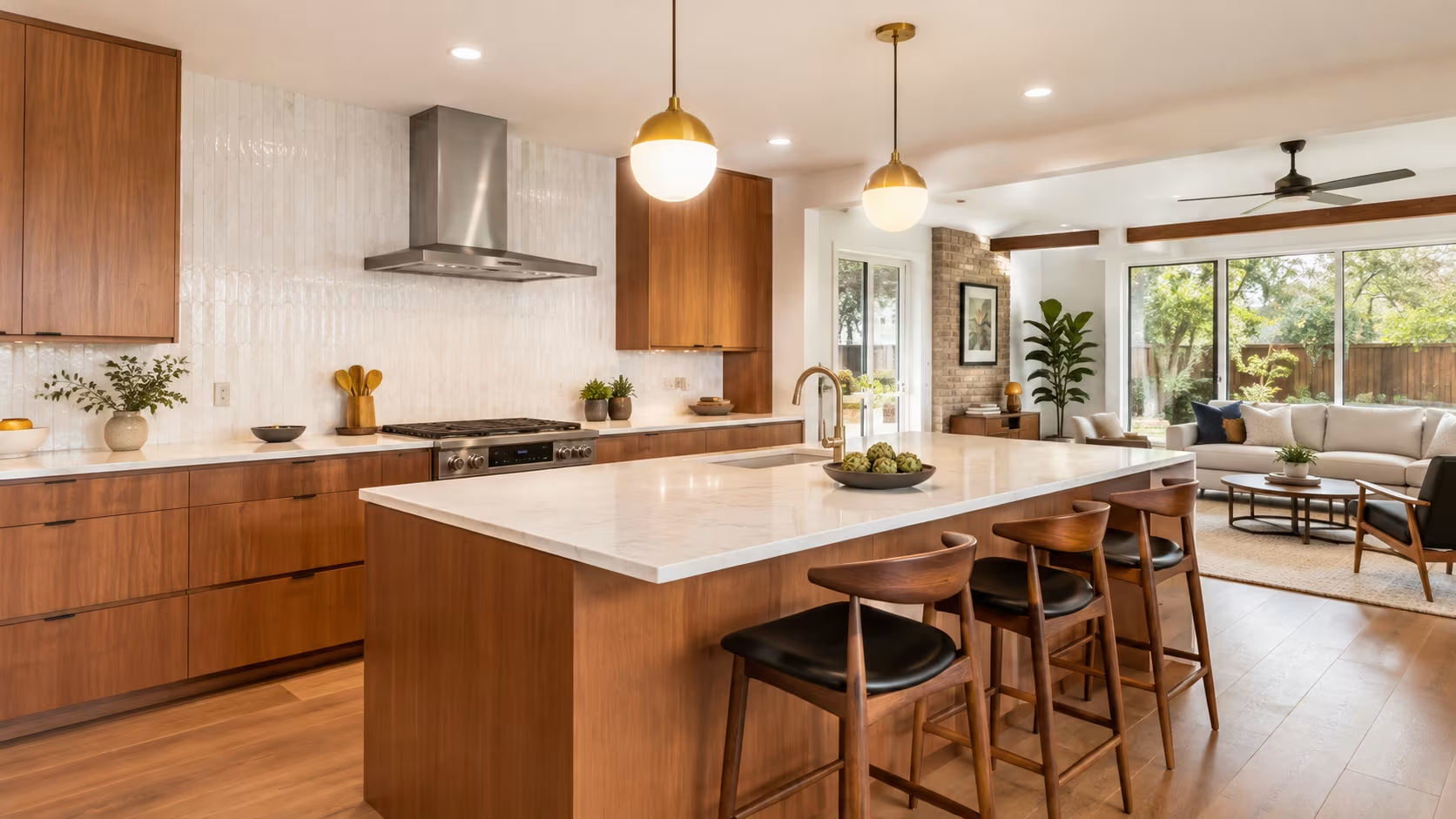
Modern renovation projects can dramatically transform a home's appearance and functionality.
Popular improvements include:
Many homeowners are surprised by how much change can be accomplished without replacing the entire structure.
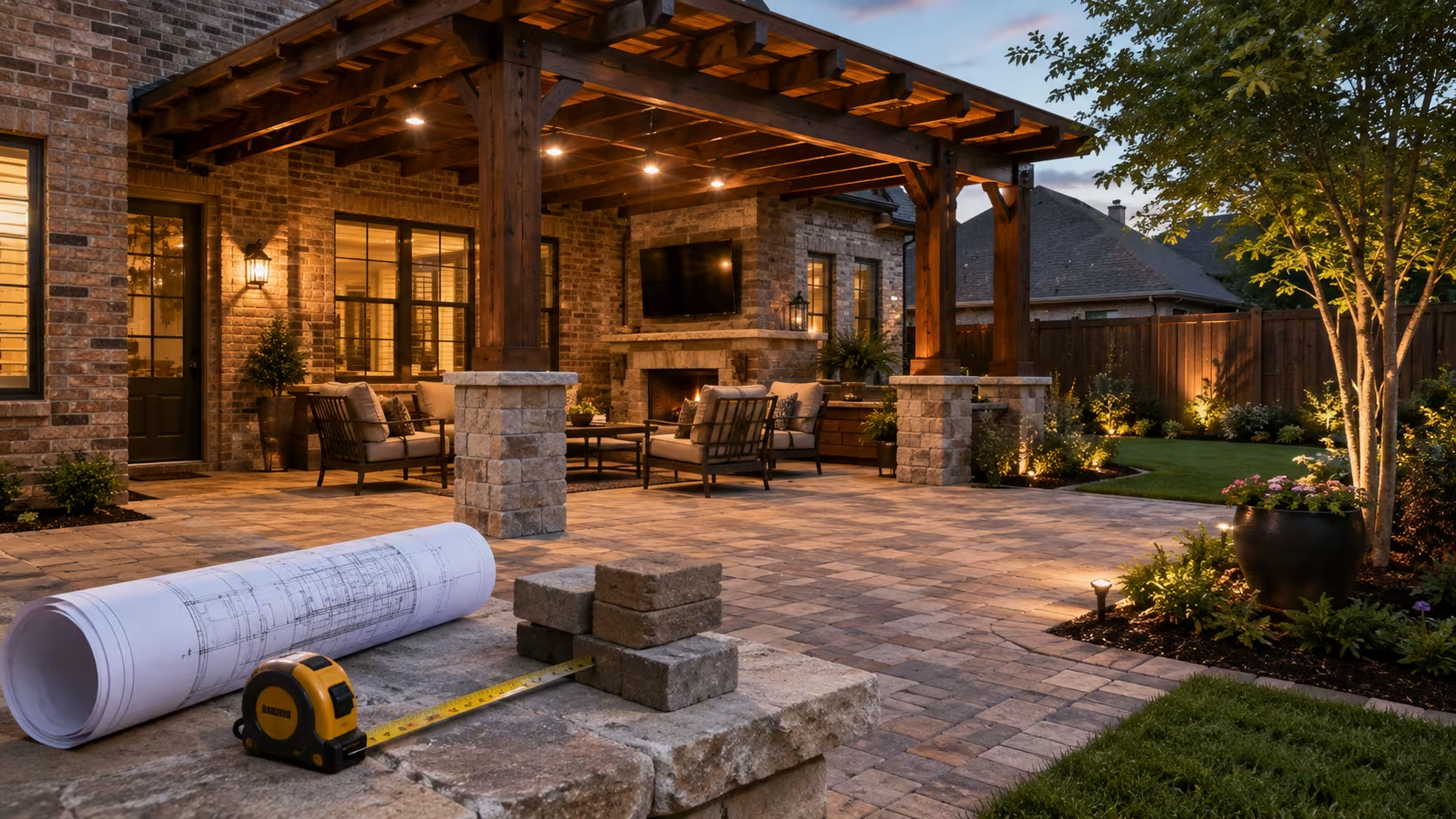
New construction offers maximum flexibility because every component is planned from the beginning.
Homeowners can determine:
This level of customization is one of the strongest advantages of building new.
Many homeowners focus on the primary construction budget while overlooking expenses that appear after work begins. Understanding these potential costs helps create a more realistic financial plan and reduces the likelihood of surprises.
Renovation projects occasionally reveal conditions that were impossible to identify during the initial planning stage.
Older Richardson homes may contain electrical panels, wiring, or circuits that no longer support modern appliances and technology. Upgrading these systems often becomes necessary when remodeling kitchens, bathrooms, or living areas.
Many homes built several decades ago contain plumbing materials that have reached the end of their expected lifespan. Replacing deteriorated pipes can help prevent leaks, water damage, and future repair expenses.
Opening walls and ceilings sometimes exposes framing issues, settling concerns, or other structural conditions. Addressing these problems strengthens the home's long-term stability and performance.
Older homes frequently contain insulation that falls below modern efficiency standards. Renovation often creates opportunities to improve thermal performance and indoor comfort.
Construction material pricing can change between project planning and installation. Budget flexibility helps account for market fluctuations without compromising project quality.
Building a new home can also involve expenses that extend beyond the initial estimate.
Vacant lots may require grading, clearing, drainage work, or soil stabilization before construction can begin. These preparations can significantly affect the overall budget.
Richardson's expansive clay soils often require specialized foundation design and engineering solutions. Proper preparation helps protect long-term structural performance.
New homes require connections for water, sewer, electricity, natural gas, and communication services. These infrastructure costs are often overlooked during early budgeting.
Many homeowners focus on the house itself and underestimate the cost of landscaping, irrigation systems, fencing, and outdoor living areas after construction is complete.
Because new construction projects often require many months to complete, some families incur additional housing expenses while waiting for occupancy.
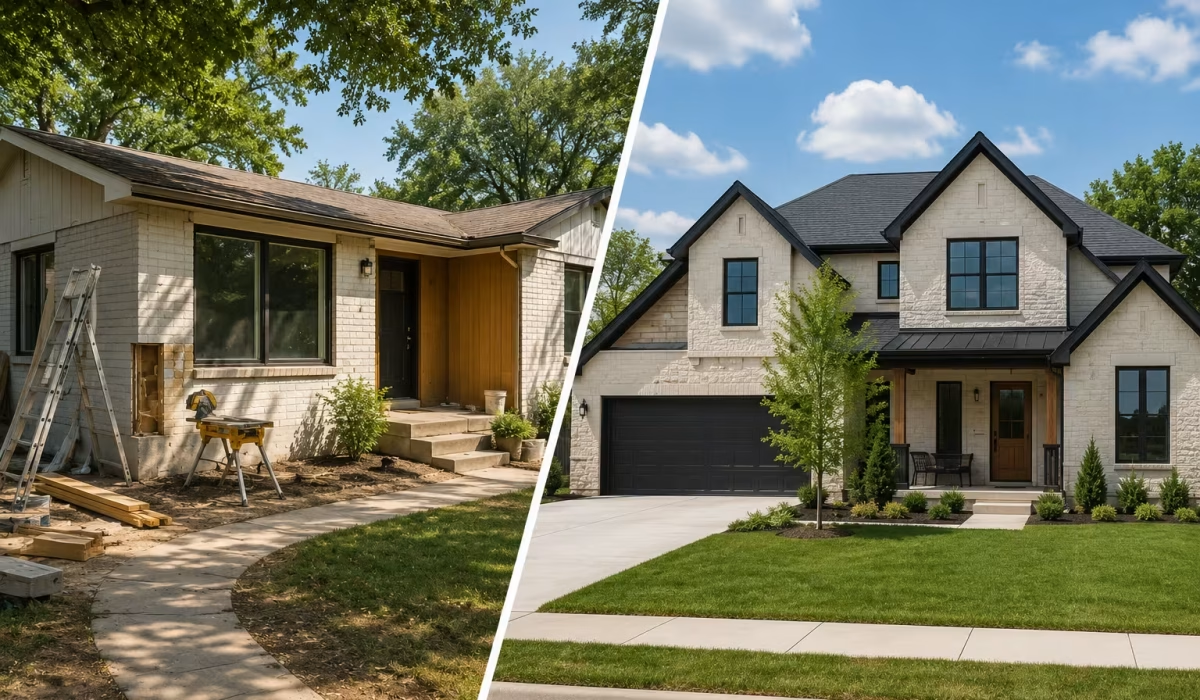
Utility systems play an important role in comfort, efficiency, and long-term maintenance costs.
Renovation projects may include improvements to:
These upgrades can significantly improve the performance of an older home while extending the life of existing infrastructure.
New construction allows every major system to be installed from scratch.
Benefits often include:
Because all systems are new, homeowners generally face fewer maintenance concerns during the early years of ownership.
Yes, renovation can improve energy efficiency and lower utility costs.
Many older Richardson homes were built before modern energy-performance standards became common. Renovation creates opportunities to improve efficiency while enhancing year-round comfort.
Modern windows can improve insulation performance and help reduce unwanted heat transfer during Texas summers.
Adding or replacing insulation helps maintain more consistent indoor temperatures while reducing HVAC workload.
New heating and cooling equipment often operates more efficiently than aging systems. Improved performance can contribute to lower monthly utility expenses.
Sealing gaps and air leaks helps reduce energy loss and improve indoor comfort throughout the home.
Programmable thermostats and modern control systems help homeowners manage energy use more effectively.
Return on investment depends on the property's condition, neighborhood characteristics, and long-term ownership plans.
Renovation often performs well when:
New construction may provide advantages when:
The strongest financial outcome often comes from selecting the option that best aligns with both current needs and future plans.
There are situations where starting fresh is the more practical and cost-effective choice. When renovation costs become excessive or your goals require extensive customization, new construction may offer greater value.
The existing home may have problems that are difficult or expensive to correct through renovation. Severe foundation damage, extensive termite infestation, hazardous material remediation, or major structural deficiencies can push renovation costs close to or beyond the cost of rebuilding.
When a property requires comprehensive upgrades to plumbing, electrical wiring, HVAC equipment, insulation, and other core systems, the total renovation investment can become substantial. In these cases, a newly built home may provide better long-term efficiency and reliability.
Buyers purchasing property in newer planned communities often benefit from selecting a new construction home. These developments are designed around modern building standards and typically eliminate the need for major upgrades.
Some homeowners prioritize complete customization, including floor plans, ceiling heights, energy-efficiency features, and smart-home technology. New construction allows these elements to be incorporated from the beginning rather than adapting an existing structure.
Renovation often makes more sense when homeowners already enjoy their location, commute, schools, nearby amenities, and community atmosphere. Improving the house while staying in a preferred Richardson neighborhood allows homeowners to preserve location advantages that cannot be recreated elsewhere.
Homes with stable foundations, solid framing, and manageable repair needs are typically strong candidates for renovation. Updating a structurally sound property is often more practical than replacing it entirely.
Many older Richardson homes have closed floor plans, undersized kitchens, limited storage, or underutilized rooms. Renovation can reconfigure these spaces to better support modern living without requiring a new home.
When homeowners need another bedroom, home office, expanded primary suite, or larger gathering areas, renovation can often provide the extra space required. Room additions and floor plan modifications frequently solve these challenges while allowing families to remain where they are.
Homeowners who have built significant equity may find renovation to be a valuable way to reinvest in their property. Rather than directing funds toward land acquisition, moving costs, or a new purchase, they can invest directly in improvements that enhance comfort and long-term value.
Many Richardson homes offer qualities that are difficult to replicate in newer developments, including mature trees, larger lots, established landscaping, and distinctive architectural details. Renovation allows homeowners to modernize the property while preserving these desirable characteristics.
Renovation can address aging windows, insulation, HVAC systems, lighting, and other components that affect comfort and operating costs. These improvements help older homes perform more like modern properties without requiring complete reconstruction.
For homeowners planning to remain in their property for many years, renovation often provides strong long-term value. The improvements can be enjoyed daily while enhancing functionality, comfort, and overall property appeal over time.
When homeowners compare renovation and new construction, many discover that improving an existing home provides the best balance of value, comfort, and long-term investment. Splash Home Remodeling helps Richardson homeowners transform outdated spaces into functional, modern environments while preserving the benefits of established neighborhoods.
Whether you are considering a kitchen renovation, bathroom remodeling project, room addition, or whole-home transformation, the team focuses on thoughtful planning, quality craftsmanship, and practical design solutions tailored to your goals. Every project is approached with attention to functionality, aesthetics, and lasting performance.
Splash Home Remodeling works closely with homeowners throughout the process, helping them understand project options, prioritize improvements, and create spaces that better support everyday living while enhancing property value.
Yes, many whole-home renovations cost less than building a new house because demolition, foundation work, and complete infrastructure installation may not be required.
5 to 10 months is the typical timeline for a comprehensive home renovation in Richardson. The exact duration depends on the scope of work, structural modifications, permit approvals, and the level of plumbing, electrical, and HVAC upgrades required.
Yes. Updated Richardson homes in established neighborhoods consistently command stronger resale prices than comparable dated homes, particularly when kitchens, bathrooms, and systems are modernized.
No, a well-planned renovation can provide strong value when the home is located in a desirable Richardson neighborhood and improvements address functionality, efficiency, and buyer preferences.
Smaller targeted renovations are manageable while occupied. Whole-home or multi-room projects affecting over 40 percent of the living space typically make staying impractical and sometimes unsafe.
Yes, Splash Home Remodeling provides whole-home renovation services that may include kitchen remodeling, bathroom updates, room additions, floor plan improvements, and complete interior transformations.
Richardson, TX Remodeling Specialists
Loading...