Yes, renovation is often less expensive because homeowners avoid commissions, closing costs, moving expenses, and other transaction-related fees associated with buying another property.
If your current home no longer supports your family's needs, you may be wondering whether renovating or moving is the better choice. Many Richardson homeowners face this decision as they outgrow their space, need modern features, or want a more functional layout. While moving offers a fresh start, it also comes with expenses, market uncertainty, and the challenge of leaving a familiar neighborhood. Renovation can provide updated living spaces while allowing you to stay in the community you already enjoy. The right choice depends on your home's condition, budget, plans, and the amount of change needed. This guide explores both options to help you determine which path makes the most sense for your situation.
Home renovation is the process of improving an existing property while maintaining most of the original structure.
Rather than purchasing a new home, renovation focuses on transforming the house you already own. Projects can range from cosmetic updates to major structural modifications that completely change how a home functions.
Common renovation projects in Richardson include:
The primary objective is to improve comfort, functionality, appearance, and property value while remaining in your current location.
Moving involves selling your existing property and purchasing another home that better supports your current lifestyle.
Many homeowners consider moving because they want:
While moving can immediately solve certain space limitations, it often introduces additional expenses and logistical considerations that homeowners do not initially anticipate.
Before making a decision, it is important to compare the full financial and lifestyle impact of both options.
Before deciding, it helps to compare both options side by side.
|
Factor |
Renovate |
Move |
|
Stay in Current Neighborhood |
Yes |
No |
|
Realtor Commissions |
Not Required |
Required |
|
Closing Costs |
Not Required |
Required |
|
Moving Expenses |
None |
Required |
|
Design Control |
High |
Limited |
|
Existing Equity Use |
Improvement Investment |
New Purchase Investment |
|
School Stability |
Maintained |
May Change |
|
Customization Potential |
Significant |
Depends on Property |
|
Community Connections |
Preserved |
New Environment |
|
Timeline |
Construction Based |
Buying and Selling Process |
Both options solve housing challenges differently. Renovation transforms your current property, while moving replaces it entirely. The best choice depends on whether your home's limitations can realistically be solved through improvement.
Yes, for many homeowners, renovation offers a more cost-effective solution.
When moving, homeowners often face multiple expenses beyond the purchase price of a new property.
These expenses may include:
Renovation allows those funds to be invested directly into features that improve everyday living.
For example, the cost of moving may sometimes equal that of a substantial kitchen remodel, a bathroom renovation, or a room addition that solves the original problem without requiring relocation.
However, every property is different, making a detailed evaluation essential before comparing costs.
Many homeowners focus primarily on the purchase price of a new home while overlooking the additional expenses that come with relocation. These often-overlooked costs can significantly increase the total amount spent during a move.
Real estate commissions are typically one of the largest costs associated with selling a home. These fees reduce the amount of equity homeowners receive from the sale.
Buyers often pay for professional inspections before finalizing a purchase. Inspection results may also lead to additional repair requests or negotiations.
Mortgage lenders generally require an appraisal to verify the property's market value. Appraisal fees are paid regardless of whether the transaction proceeds as planned.
Lenders charge origination fees for processing and underwriting a mortgage. These costs are usually paid at closing and add to the overall borrowing expense.
Property taxes vary between locations and can affect long-term ownership costs. Homeowners may also need to prepay a portion of taxes during closing.
Homeowners insurance premiums can change depending on the property's age, size, location, and replacement value. A newer or larger home may result in higher annual insurance costs.
Utility providers may charge connection, transfer, or activation fees when establishing service at a new address. These expenses often apply to electricity, water, gas, internet, and other services.
Professional moving services can represent a significant expense depending on the distance and volume of belongings. Additional charges may apply for packing, storage, or specialty items.
Some homeowners need temporary accommodations if their closing dates do not align perfectly. Hotel stays, short-term rentals, and storage fees can quickly increase relocation costs.
Many buyers discover cosmetic issues or functional upgrades they want to address after moving in. New flooring, paint, lighting, or kitchen improvements can add unexpected expenses shortly after purchase.
Renovation projects can reveal conditions that were not visible before construction began. Understanding these possibilities helps homeowners build a more realistic project budget.
Older homes may contain electrical panels, wiring, or circuits that no longer support modern power demands. Upgrading these systems improves safety and allows new fixtures and appliances to operate properly.
Older plumbing materials can deteriorate over time and may require replacement during renovation. Addressing these issues helps prevent future leaks, water damage, and maintenance concerns.
Hidden moisture problems are sometimes discovered behind walls, beneath flooring, or around windows. Repairs help protect the home's structure and improve indoor conditions.
Construction may uncover framing issues, foundation concerns, or weakened support components. Correcting structural problems improves stability and supports long-term durability.
Many older Richardson homes contain insufficient or outdated insulation. Improving insulation can increase comfort while helping reduce heating and cooling costs.
Renovation projects sometimes reveal aging heating and cooling equipment that no longer performs efficiently. Upgrading HVAC components can improve indoor comfort, airflow, and energy efficiency.
Major remodeling projects occasionally require portions of existing systems to be updated during construction. These improvements help ensure the renovated areas function safely and effectively for years to come.
Construction material costs can fluctuate between the planning stage and installation. Budget flexibility helps accommodate price changes without affecting project quality.
Some renovation projects require permits and municipal reviews before work begins. These fees vary depending on the scope and complexity of the improvements.
Walls, ceilings, and flooring often conceal conditions that cannot be identified during initial planning. Discovering and correcting these issues contributes to a stronger, more reliable finished renovation.
Yes, fortunately, many renovation projects can solve this challenge. One of the biggest reasons homeowners consider moving is the need for additional space.
Room additions increase living space while maintaining the existing property.
They can be used for:
Unused garage areas can become valuable living space.
Popular uses include:
Removing selected walls often creates a more spacious feel without increasing square footage.
Expanding a primary bedroom or bathroom can dramatically improve comfort and functionality.
For many homeowners, these solutions eliminate the need to move altogether.
Family needs often change over time. A home that worked perfectly five years ago may feel restrictive today.
Growing families frequently require:
Renovation can often accommodate these changing needs while preserving access to familiar schools, neighbors, and community resources.
Moving may still be appropriate when significantly larger space requirements exceed what the existing property can support.
Not every housing decision is purely financial. Many Richardson homeowners have deep connections to their homes and neighborhoods.
These connections may include:
Moving means leaving behind much more than a physical structure. For homeowners who value these relationships, renovation often becomes the preferred path because it preserves both the home and the lifestyle built around it.
Yes, in many cases. Older Richardson homes often offer advantages that are increasingly difficult to find.
These advantages include:
Many homes built between the 1960s and 1990s possess solid foundations and excellent locations but require modernization.
Strategic renovation allows homeowners to combine contemporary features with the qualities that originally attracted them to the property.
Certain improvements consistently deliver meaningful benefits.
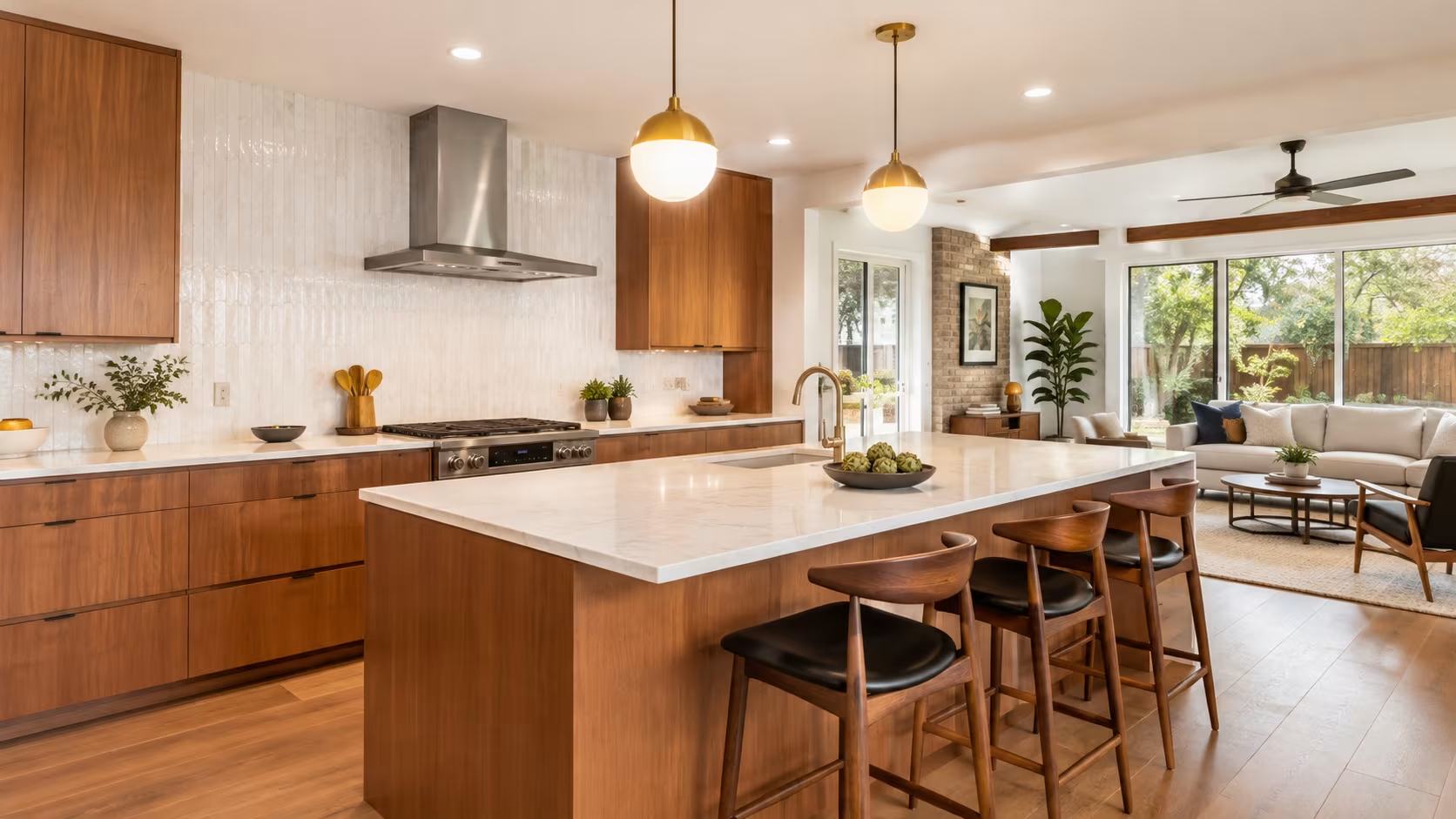
Modern kitchens improve workflow, storage capacity, and overall functionality.
Updated bathrooms enhance comfort while improving market appeal.
Comprehensive renovations can completely transform an outdated property.
Covered patios, entertainment areas, and outdoor kitchens expand usable living space.
Modern systems can improve comfort while reducing utility expenses.
These projects often address the same concerns that initially motivate homeowners to consider moving.
Yes, renovation can improve energy efficiency and lower utility costs. Energy efficiency has become increasingly important for Texas homeowners. Many older homes contain outdated systems that increase monthly operating costs.
Common upgrades include:
These improvements enhance comfort while potentially reducing utility expenses throughout the year.
The answer depends on several factors.
Renovation can provide strong value when:
Moving may offer stronger value when:
Evaluating both immediate costs and future benefits helps determine which option provides better long-term returns.
Before making a final decision, homeowners should carefully evaluate both options through the lens of long-term goals rather than short-term frustrations.
If you enjoy your location, neighbors, schools, commute, and nearby amenities, renovation may deserve serious consideration.
Location is one of the few aspects of a property that cannot be changed.
Homes with solid foundations and manageable repair needs often provide strong renovation opportunities.
A professional assessment can help identify whether the property is a good candidate for remodeling.
List the primary reasons you are considering moving.
Examples may include:
If renovation can realistically address these concerns, remaining in place may provide better value.
Looking only at construction costs or purchase prices can create an incomplete comparison.
A realistic budget should include:
Comparing complete costs often provides a clearer answer.
The longer you plan to remain in the property, the more opportunity you have to enjoy the benefits created by renovation improvements.
Long-term ownership often strengthens the financial case for remodeling.
A professional evaluation provides valuable insight before making a major investment.
An assessment can help identify:
Understanding the true condition of a property helps homeowners make more informed decisions and avoid costly surprises.
Before comparing costs or timelines, homeowners should identify what is motivating them to consider moving. In many cases, the frustration stems from the home's layout, functionality, or outdated features rather than the location itself. Understanding the difference can make the decision much clearer.
A lack of usable space is one of the most common reasons homeowners think about relocating. Many Richardson homes were designed decades ago and may not support modern lifestyles as effectively as newer floor plans.
Common issues include:
In many situations, these challenges can be addressed through thoughtful renovation, room reconfiguration, or home additions.
Older finishes and design elements can make a home feel less functional and less enjoyable, even when the structure itself remains in good condition.
Examples include:
Modernizing these spaces can significantly improve daily living while enhancing overall property appeal.
Many older homes contain systems that no longer meet current expectations for comfort or efficiency.
Common concerns include:
Renovation provides an opportunity to improve performance, comfort, and energy efficiency throughout the home.
Lifestyle changes often create new demands that an existing floor plan was never designed to accommodate.
Homeowners may need:
Renovation can adapt the home to support these evolving needs without requiring a move.
Not every problem can be solved through remodeling. If the primary frustration involves factors outside the property itself, renovation may not provide the desired solution.
Examples include:
When the location is the issue, moving is often the more practical option. However, if the neighborhood still meets your needs and the challenges are primarily related to the home's design or functionality, renovation deserves serious consideration before making the decision to relocate.
Project timelines play an important role when deciding between renovating and moving. The amount of time required can affect family routines, work schedules, housing arrangements, and overall project costs. Understanding the typical timeline for each option helps homeowners plan more effectively and set realistic expectations.
The length of a renovation depends on the size, complexity, and scope of work involved. Smaller projects may be completed relatively quickly, while larger renovations require additional planning, coordination, and construction time.
Kitchen and bathroom renovations are among the most common home improvement projects. Depending on design selections, material availability, and project scope, these updates can take several weeks to complete.
Projects involving multiple living spaces generally require more time because several areas of the home are being improved simultaneously. Construction schedules often need to be coordinated carefully to maintain workflow and minimize delays.
Whole-home renovations typically have the longest renovation timelines. These projects may include structural modifications, floor plan changes, electrical upgrades, plumbing improvements, flooring replacement, and finish updates throughout the property.
Moving involves far more than purchasing another home. The process includes multiple stages that can extend the overall timeline considerably.
Many homeowners spend time making repairs, improving curb appeal, and preparing their property before listing it on the market. These efforts can help attract buyers and improve selling potential.
Once listed, the home must be marketed to potential buyers. Showings, open houses, and buyer inquiries can continue for weeks, depending on local market conditions.
After receiving an offer, additional time is often required for negotiations, inspections, appraisal reviews, and contract contingencies. These steps are essential before a transaction can move forward.
The financing process includes loan approval, document verification, underwriting, and final closing procedures. Delays during any stage can affect the overall moving timeline.
Packing belongings, scheduling movers, transferring utilities, and organizing the move itself require careful planning. The logistics of relocating can add additional weeks to the process.
The option that creates the least disruption depends on individual circumstances. Families should consider work responsibilities, school schedules, plans, and housing needs when evaluating how renovation and moving fit within their desired timeline.
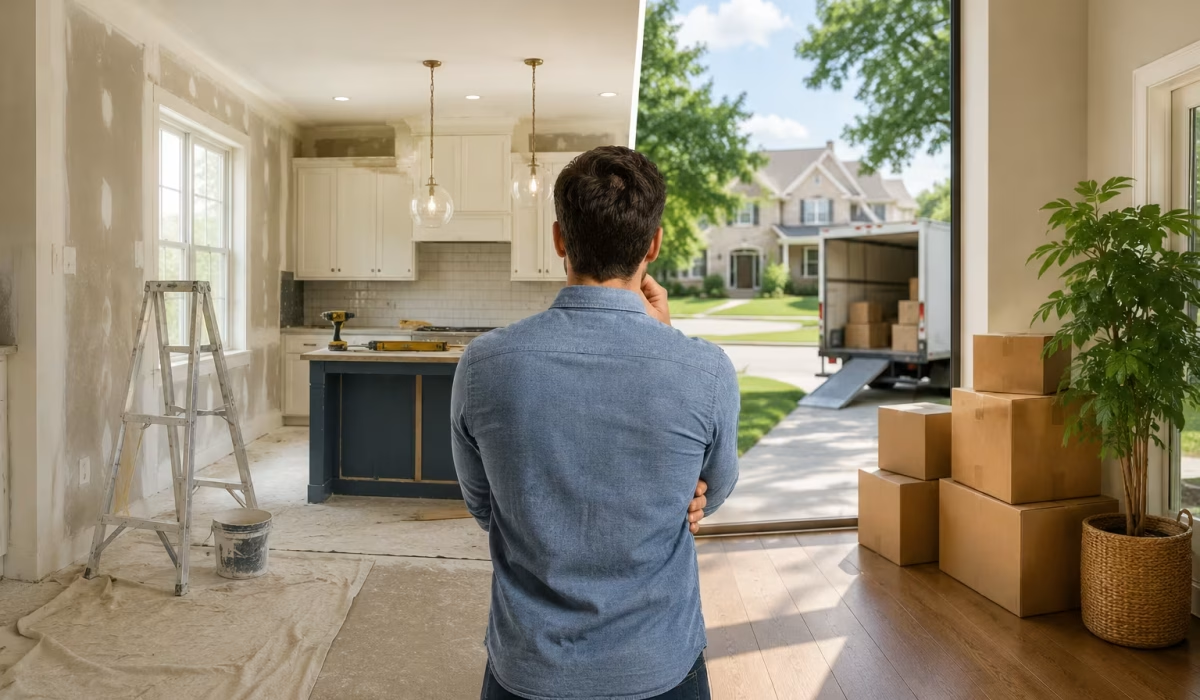
Many homeowners discover that renovating allows them to achieve the benefits they want without leaving the neighborhood they love. Splash Home Remodeling helps Richardson homeowners transform outdated or underperforming spaces into functional environments designed for modern living.
Whether the goal is kitchen remodeling, bathroom renovation, a room addition, or a whole-home transformation, every project focuses on improving usability, comfort, appearance, and long-term value. Thoughtful planning, quality materials, and careful attention to detail help homeowners maximize the potential of their existing property while creating spaces that better support everyday life.
Yes, renovation is often less expensive because homeowners avoid commissions, closing costs, moving expenses, and other transaction-related fees associated with buying another property.
$60,000 to $120,000 is the total moving cost many Richardson homeowners face after accounting for realtor commissions, closing costs, moving expenses, loan fees, and mortgage rate differences.
Yes, strategic renovations can increase home value by improving functionality, visual appeal, buyer interest, and market competitiveness, especially when kitchens, bathrooms, and floor plans are modernized.
3 to 5 months is the typical timeline for targeted renovations involving one or two areas of a home, while comprehensive whole-home renovations in Richardson often take 6 to 10 months depending on project scope, structural modifications, and unexpected conditions discovered during construction.
Yes, Splash Home Remodeling provides whole-home renovation services that can include kitchen remodeling, bathroom updates, floor plan improvements, room additions, and interior living space transformations.
Richardson, TX Remodeling Specialists
This website uses cookies to ensure you get the best experience on our website.
Loading...